

Key Takeaways
- Excess summer heat stresses home systems and structures, leading to costly repairs if left unchecked.
- Heat waves above 90°F are becoming more frequent across the U.S., especially in summer.
- Prolonged indoor heat affects both comfort levels and your home’s overall structural integrity over time.
- Las Vegas summers demand immediate attention to prevent hidden damage within walls and mechanical systems.
Why Is Summer Heat Cracking Your Walls?
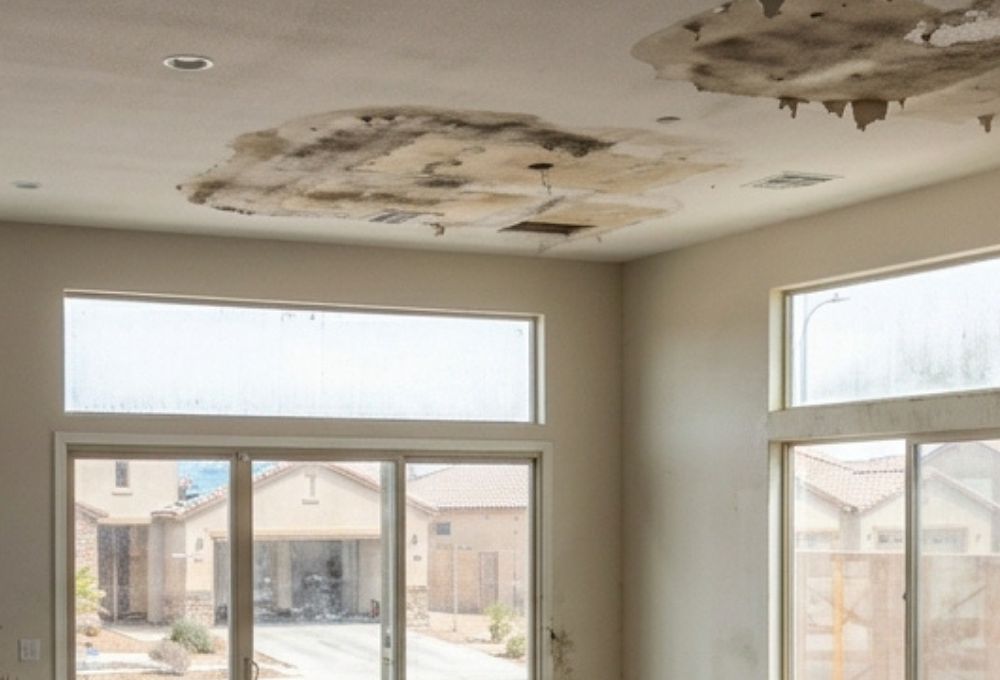
Thermal expansion drives most of the wall cracking homeowners spot during peak summer months. Wood, drywall, and other building materials swell as temperatures climb, then shrink back down once the house cools at night. That repeated cycle causes summer heat damage inside walls, often showing up as fine cracks near doorframes, ceiling corners, and window trim. A single hot week rarely does much harm, but weeks of expansion and contraction wear materials down prematurely.
Las Vegas homes face this problem more than most. Foundation soil shrinkage drywall cracks rank among the most common complaints local homeowners report once summer temperatures peak, alongside loose fixtures and sticking doors.
Why does drywall crack more in summer than winter?
Summer heat pushes materials through wider temperature swings than winter cold typically does in desert climates. Daytime highs stress drywall and framing, while cooler nights force those same materials to contract again. This constant back-and-forth movement, rather than a single extreme temperature, causes most visible cracking.
Loose trim, squeaky floors, and worn cabinetry often signal the same underlying stress on a home’s carpentry. Left unaddressed, small cracks and gaps tend to widen over successive summers.
Champion Services responds to drywall and trim damage quickly, before minor cracks turn into structural concerns. Technicians arrive prepared, communicate clearly, and complete every repair with careful attention to detail. Reflecting the high-quality workmanship Champion Services is known for throughout the Las Vegas Valley.
Where Does Summer Heat Strain Home Systems?
Summer heat strain hits four systems hardest: the attic, the HVAC unit, the plumbing, and the electrical wiring. Roofs absorb the sun’s full force each afternoon, and that heat radiates directly into the attic below. There, heat damage to attic ductwork builds quietly, cutting cooling efficiency long before a homeowner notices warm spots or rising bills.
The strain doesn’t stop at the ceiling. High temperatures, humidity, and nonstop use of a home’s systems wear down HVAC units, plumbing lines, and electrical circuits all summer long. That combination shortens the working life of equipment that already runs overtime to keep interiors livable.
Why Does an AC Unit Struggle More in Peak Summer?
Cooling systems run near-constantly during peak heat, and that nonstop cycling invites hidden HVAC moisture leaks and mechanical wear. Left unchecked, small issues turn into full breakdowns at the worst possible moment. Routine preventative maintenance catches these problems early, keeping systems reliable through the hottest stretch of the year.
Can Summer Heat Affect Home Electrical Systems?
Yes. Rising temperatures push wiring harder, and heat strain on electrical wiring raises the risk of overload in older or overtaxed circuits. Code-compliant electrical work protects wiring from that seasonal stress. Scheduled tune-ups pair well with this protection, helping households save energy and avoid costly AC repairs later.
How Can You Protect Your Home Now?
Protection starts with early inspection, not emergency repair. Officially, a heat wave means at least two or three straight days at 90°F or higher, a threshold Las Vegas summers cross routinely rather than rarely. That repeated exposure gives homes little time to recover between hot spells, and stress accumulates season after season.
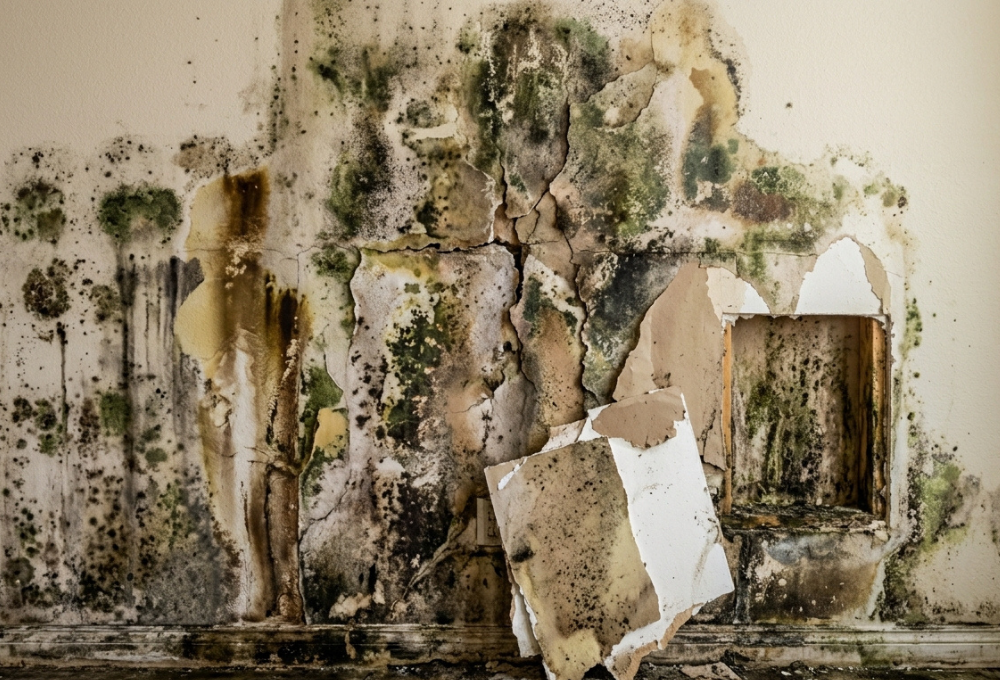
Excessive heat combined with humidity dries out and cracks building materials over time. Left unaddressed, this process encourages mold growth, mildew, and a gradual weakening of a structure’s integrity. Homeowners noticing summer heat damage inside walls or fresh foundation soil shrinkage and drywall cracks are seeing this deterioration in real time, not a cosmetic issue that resolves on its own.
What should homeowners check first when temperatures spike?
Prioritize systems most vulnerable to sustained heat. A short checklist helps:
- Attic spaces for attic ductwork heat damage, including warped or separated seams
- Cooling equipment for hidden HVAC moisture leaks around condensation lines
- Outlets and panels for electrical wiring heat strain, a common cause of overheating
Who handles summer home repair in Las Vegas reliably?
Summer home repair projects in Las Vegas call for technicians who understand the valley’s specific climate demands. Champion Services, a family-owned company serving Las Vegas since 1998, connects homeowners to experienced local technicians offering same-day air conditioning, heating, electrical, and plumbing repair. Based in Las Vegas, NV, the team responds quickly to address heat damage to home systems before minor cracks or leaks escalate into costly structural repairs.
FAQ
What causes summer heat damage inside walls?
Thermal expansion drives the damage as wood and drywall swell in daytime heat, then shrink at night, creating fine cracks near doorframes, ceiling corners, and window trim.
What signs indicate heat damage inside a home?
Homeowners report foundation soil shrinkage drywall cracks, loose trim, squeaky floors, worn cabinetry
Conclusion
In closing, summer heat poses genuine risks to your home’s structural integrity and mechanical systems, from wall damage and electrical strain to HVAC and plumbing complications. Proactive maintenance and prompt professional attention protect your investment and ensure comfort during the hottest months. By addressing heat-related concerns early, you avoid costly repairs and maintain reliable performance when you need it most.